The post Best Bars and Nightlife in San Pedro: Where Locals Go Out appeared first on Thrive on 5th - Brand New Blog.
]]>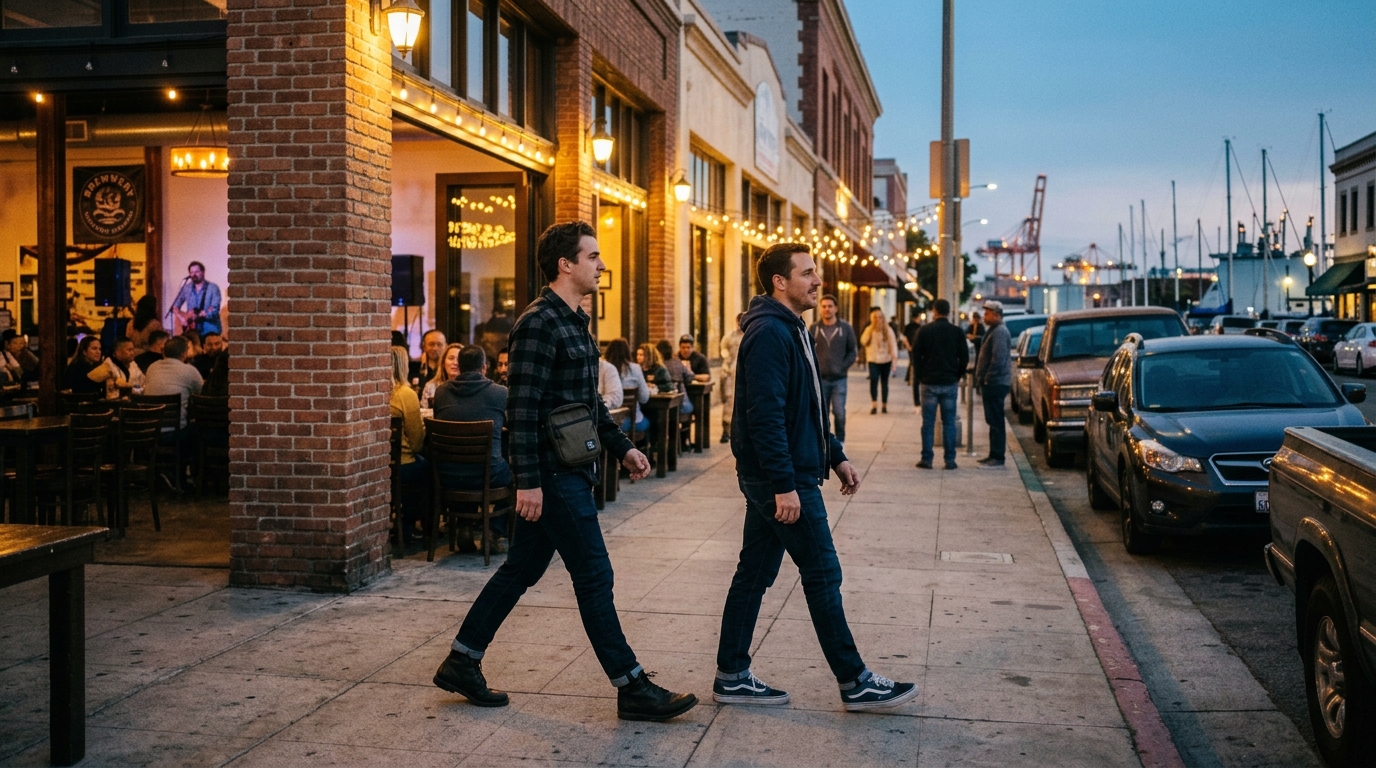
Going out in the neighborhood is less about large clubs and more about choosing the kind of evening you want. For renters near Downtown San Pedro, nightlife often means breweries, live music, arts events, and casual places to meet friends close to home. Options range from house-brewed beer with dinner and neighborhood taprooms to independent music, indoor-outdoor gathering spaces, and monthly arts nights.
For renters exploring modern apartment living near Downtown San Pedro, these options can add variety to a weeknight or weekend without turning the neighborhood into a nightlife-only destination.
Quick Answer: Where Should You Go Out in San Pedro?
Start with the experience you want. San Pedro Brewing Company combines food, house-brewed beer, spirits, and scheduled entertainment. Port Town Brewing Co. focuses on locally brewed craft beer. The Sardine is a live-music venue with active concert programming. Warehouse 9 offers an indoor-outdoor setting with drinks, food-truck rotations, and events. First Thursday ArtWalk adds galleries, music, vendors, and downtown activity.
Hours, tickets, age requirements, and entertainment schedules can change, so confirm the latest details before heading out.
What Is San Pedro Nightlife Like?
Evening activity is spread across downtown streets, Pacific Avenue, and waterfront-area gathering spaces. Instead of one dense club strip, the area offers a mix of breweries, bars, music venues, restaurants, arts programming, and casual places to gather.
Choose the experience first. Are you looking for craft beer, a full meal with drinks, a concert, an outdoor setting, or an arts-focused evening? That helps narrow the options quickly.
If location is part of your housing research, explore Thrive on 5th's San Pedro location to see how the property sits within Downtown San Pedro. Do not assume every featured venue is within a comfortable walk from one address; routes and transportation needs vary.
San Pedro Brewing Company: Beer, Food, and Entertainment
A good fit for: A casual night when the group wants dinner and drinks.
San Pedro Brewing Company has operated on West 6th Street since 1999. The venue describes itself as a restaurant and brewery, with ales and lagers brewed on the premises, a full food menu, spirits, and weekly live entertainment.
That combination makes it different from a beer-focused taproom. Someone who wants to eat first and stay for drinks or entertainment can keep the evening in one place.
The venue also has a sports-bar side. Entertainment, reservations, and operating hours may shift around special dates or holidays, so consult the venue calendar when making plans.
Port Town Brewing Co.: For Locally Brewed Craft Beer
Consider it for: A straightforward craft-beer outing downtown.
Port Town Brewing Co. operates a brewery and taproom on West 7th Street. Its current site highlights beer brewed on-site, a rotating tap list, pints, growler fills, and weekend food trucks.
This is the option to research when the beer itself is the main reason for going out. The setting is more taproom-focused than a full restaurant experience, so look at the day's food options if your group expects dinner.
Hours are currently published Wednesday through Sunday, but confirm the taproom hours and food-truck lineup before heading over.
The Sardine: For Independent Live Music
Choose it when: The night is built around seeing a band rather than simply having drinks.
The Sardine on South Pacific Avenue continues to host active concert programming in 2026. Current event listings include punk, indie, alternative, and other independent acts.
Each show shapes the experience, so start with the concert calendar. Some performances require tickets, and door times or age limits may differ.
The individual listing will show ticket availability, showtime, age requirements, and other entry details.
Warehouse 9: For an Indoor-Outdoor Gathering Spot
Works well for: A relaxed group outing with drinks, outdoor space, food trucks, or scheduled entertainment.
Warehouse 9 currently operates at 110 E. 22nd Street in the former Brouwerij West location. It describes itself as an indoor-outdoor community gathering place with beer, cider, kombucha, nonalcoholic choices, rotating food trucks and small businesses, and scheduled events.
The range of drink options can work well for groups with different preferences. The courtyard and event programming also give the venue a different feel from a traditional bar.
Review the venue's entertainment and food calendar before heading over. Older guides may still list Brouwerij West at this address; Warehouse 9 is now operating there.
First Thursday ArtWalk: Nightlife Beyond the Bar
Plan around it for: An evening centered on art, music, food, and downtown activity.
First Thursday ArtWalk takes place on the first Thursday of each month in Downtown San Pedro. Current 2026 listings describe gallery openings, live music, pop-up shops, food vendors, and opportunities to visit local artists and businesses.
It works well when the goal is to spend time around downtown rather than stay at one bar all evening. You can build the night around galleries and music, then add dinner or drinks separately.
For attractions beyond nightlife, see more things to do in Downtown San Pedro.
Choose the Right San Pedro Night Out
Different venues fit different plans. Think of this as a matchmaker, not a ranking.
| What You Want | Option to Research First |
|---|---|
| Craft beer + full meal | San Pedro Brewing Company |
| Brewery/taproom experience | Port Town Brewing Co. |
| Independent live music | The Sardine |
| Indoor-outdoor group hangout | Warehouse 9 |
| Art + music + downtown event | First Thursday ArtWalk |
For dinner before or after an event, use the separate guide to Downtown San Pedro restaurants and coffee shops rather than trying to make one nightlife venue fit every food preference.
Also consider the group. Someone may need food, a nonalcoholic option, outdoor seating, or an event with a particular age policy. Matching those needs before leaving usually works better than choosing a venue only because it appears on a "best" list.
Plan Your Night Before You Head Out
Evening plans can shift quickly. Before leaving, check:
- Opening hours
- Event or music start time
- Tickets or cover charge
- Age requirements
- Reservation needs
- Food availability
- Parking options
- Rideshare pickup plan
- Designated driver, if applicable
Avoid assuming a venue will have seating, stay open late, or offer the same schedule every week.
If nightlife is one part of your neighborhood research, read what it is like to live in Downtown San Pedro for a broader look at daily life beyond evenings out.
Downtown San Pedro After Dark Near Thrive on 5th
Thrive on 5th is located at 448 W. 5th Street in Downtown San Pedro, within the broader downtown arts, dining, and entertainment area. If that lifestyle fits what you are looking for, schedule a tour of Thrive on 5th and compare the location with the places you expect to visit most often.
Frequently Asked Questions About San Pedro Nightlife
What Are Some of the Best Bars in San Pedro?
San Pedro Brewing Company, Port Town Brewing Co., The Sardine, and Warehouse 9 offer different kinds of evenings, from food and house-brewed beer to taproom visits, live music, and indoor-outdoor gatherings. The best choice depends on the experience you want rather than one universal ranking.
Where Can You Hear Live Music in San Pedro?
The Sardine hosts independent live-music shows, while San Pedro Brewing Company advertises weekly entertainment. Warehouse 9 also schedules programming. Review the latest venue calendars because performers, times, ticketing, and entry requirements can change.
Are There Breweries in San Pedro?
Yes. San Pedro Brewing Company brews ales and lagers on-site and operates as a restaurant and brewery. Port Town Brewing Co. runs a Downtown San Pedro brewery and taproom with locally brewed beer.
What Is There to Do in Downtown San Pedro at Night Besides Going to a Bar?
First Thursday ArtWalk offers a monthly evening built around gallery openings, live music, pop-ups, food vendors, and downtown activity. Dining, concerts, and other scheduled events can also be part of an evening out.
Do San Pedro Bars and Music Venues Require Tickets or Have Age Limits?
Policies vary by venue and performance. Some concerts or special programs may require tickets, a cover charge, reservations, or a specific minimum age. Review the relevant listing before going.
Disclaimer
Venue hours, entertainment schedules, food availability, age restrictions, ticket requirements, reservations, menus, and event details can change. Thrive on 5th does not operate or control the third-party businesses or events mentioned in this guide. Verify current details directly with the venue or organizer before visiting.
External sources used: San Pedro Brewing Company; Port Town Brewing Co.; The Sardine event information; Warehouse 9; and First Thursday ArtWalk.
The post Best Bars and Nightlife in San Pedro: Where Locals Go Out appeared first on Thrive on 5th - Brand New Blog.
]]>The post 1-Bedroom Apartments in San Pedro: What to Expect appeared first on Thrive on 5th - Brand New Blog.
]]>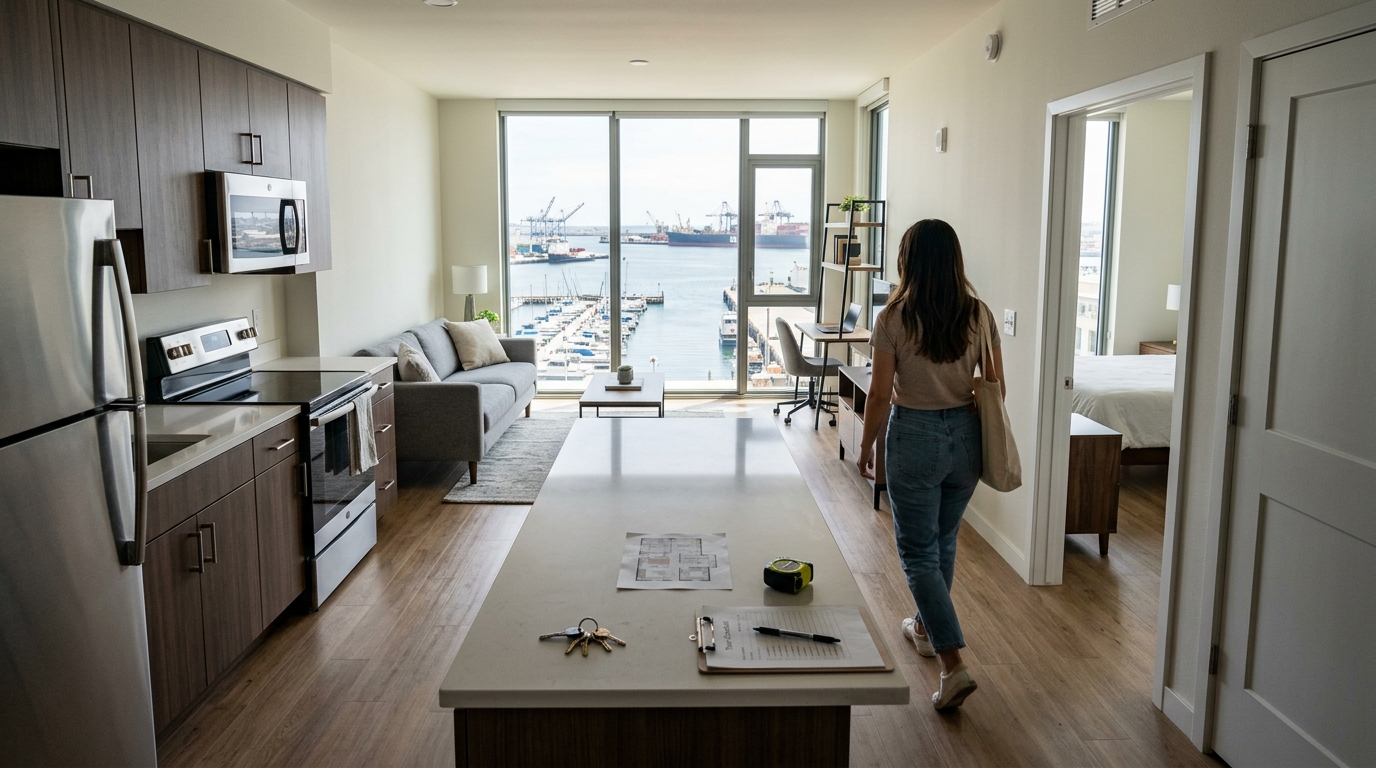
Renting a one-bedroom gives you more separation than a studio, but the experience can vary widely from one apartment to another. Two 1 bedroom apartments in San Pedro may have similar square footage yet feel very different because of their room shape, storage, windows, kitchen placement, and building amenities.
Before choosing a home, look beyond the bedroom count. Compare the total monthly cost, actual floor plan, parking, natural light, work-from-home needs, and how the location supports your daily routine.
This guide explains what to expect when renting a one-bedroom in San Pedro and what to check before signing a lease.
Quick Answer: What Should You Expect From a 1-Bedroom Apartment in San Pedro?
A one-bedroom apartment in San Pedro typically includes a private bedroom, separate living area, kitchen, bathroom, and more privacy than a studio. Square footage, storage, parking, natural light, and amenities can vary greatly between older properties and newer communities.
Before leasing, measure the layout, compare the full monthly cost, verify included features, and make sure the apartment supports your household, work routine, pet needs, and belongings.
What Does a 1-Bedroom Apartment in San Pedro Usually Include?
A one-bedroom normally has a bedroom with a closable door, a separate living room, a kitchen or open-concept kitchen, and at least one bathroom. It may also include closets, in-home laundry, a patio or balcony, or additional flex space.
The main advantage is separation. You can close the bedroom door while working, hosting visitors, cooking, or relaxing in the living area.
However, the label “one bedroom” does not tell you how well the apartment functions. A compact plan with good circulation may feel more useful than a larger plan with awkward corners or limited furniture walls.
Square Footage and Layout Differences
One-bedroom layouts may include:
- Compact open-concept plans
- Corner apartments
- One or two bathrooms
- Office or flex areas
- Different window placements
- Select patios or balconies
Thrive on 5th currently shows one-bedroom plans ranging from about 590 square feet to larger layouts near 976 square feet, including select configurations with office or flex space. Dimensions and configurations may vary, so compare the available one-bedroom floor plans and verify the exact apartment.
Who May Be a Good Fit for a 1-Bedroom Apartment?
A one-bedroom can support several renter routines, but it is not automatically the right choice for every solo renter or couple.
- Solo renters who want separation: A private bedroom can create a clearer boundary between sleeping, relaxing, hosting, and working.
- Remote or hybrid workers: The living room may provide space for a desk while the bedroom remains focused on rest.
- Couples with compatible routines: One bedroom may work when both people agree on storage, schedules, guests, work areas, and personal downtime.
- First-time renters: A one-bedroom can offer more flexibility than a studio without requiring the furniture and upkeep of a larger apartment.
- Downsizers: Renters moving from a larger home may appreciate separate rooms but should measure furniture and reduce belongings before moving.
- Pet owners: A separate bedroom and living area may provide more room for supplies and movement, but the animal’s needs and property rules still matter.
A one-bedroom may not provide enough space for established roommates, frequent overnight guests, storage-heavy hobbies, or two full-time remote workers who need separate private offices.
How Much Should You Expect to Pay for a 1-Bedroom in San Pedro?
Rent depends on the building’s age, condition, location, parking, square footage, amenities, and floor-plan features.
As of July 2026, Apartments.com reported an average one-bedroom rent of about $1,966 in San Pedro and an average size of approximately 607 square feet. These figures combine many building types and should be treated as broad market context rather than a quote for a specific apartment.
A newer amenity-rich community may list higher rents than an older basic building. Larger one-bedrooms, apartments with flex space, select outdoor areas, parking, and newer finishes may also fall into a different pricing tier.
Budget Beyond Base Rent
Include:
- Utilities
- Internet
- Parking
- Pet rent
- Renters insurance
- First month’s rent
- Security deposit
- Moving and furnishing costs
The common guideline of spending about 30% of income on rent can be a personal budgeting reference, but it is not a universal leasing rule or approval guarantee. Ask each property about income documentation, screening requirements, guarantor options, and the total monthly leasing price.
Which Apartment and Community Amenities Matter Most?
Focus first on features you will use regularly. Shared spaces can extend your routine, but they cannot fix a private layout that is too small or poorly arranged.
- In-home laundry: A washer and dryer can reduce regular trips outside the apartment, but check appliance size, placement, noise, and maintenance responsibility.
- Heating and cooling: Ask how the thermostat works, whether temperature varies between rooms, and who handles filter replacement.
- Kitchen features: Review refrigerator capacity, counter space, cabinets, dishwasher condition, outlets, and the room available for dining.
- Natural light and storage: Window placement and usable closet depth may affect daily comfort more than the listed square footage.
- Coworking areas: Shared workspaces can provide an alternative to placing a large desk inside the apartment.
- Fitness and outdoor spaces: A fitness center, rooftop deck, pool, spa, or resident lounge may expand how you use the property when access rules fit your schedule.
Thrive on 5th currently lists in-home laundry, stainless steel appliances, central air and heat, smart thermostats, coworking areas, a fitness center, resident lounges, a rooftop sky deck, a pool and spa, bike storage, and EV charging. Select apartments may include patios or balconies. Review the current resort-style community amenities and confirm which features apply to the apartment you are considering.
1-Bedroom Versus Studio Apartment in San Pedro
A studio places the sleeping, living, and kitchen areas within one main room. A one-bedroom adds a separate sleeping space, but it may also require more furniture and a higher monthly budget.
| Factor | Studio | One Bedroom |
|---|---|---|
| Sleeping space | Part of the main room | Separate bedroom |
| Privacy | Limited separation | More separation between rooms |
| Remote work | Requires careful zoning | More placement options |
| Hosting | Guest space is limited | Bedroom can remain private |
| Storage | Often less | May offer more closets |
| Rent | Often lower in comparable properties | Often higher in comparable properties |
| Furniture | Fewer pieces may be needed | More rooms may require more furniture |
A one-bedroom may be worth considering when you need a door between work and sleep, share the apartment, host visitors, own more belongings, or value privacy more than the lowest possible rent.
How Does Downtown San Pedro Affect the Value of a 1-Bedroom?
Renters choose both an apartment and a location. Downtown San Pedro may appeal to people who value access to dining, everyday services, local culture, the LA Waterfront, major roads, and South Bay destinations.
Location should be tested rather than assumed. Walk the surrounding blocks, check parking, listen for traffic or port-related activity, and test routes to work and other regular commitments.
The guide to what Downtown San Pedro is really like provides more detail about daily life in the area.
Renters still comparing local areas can review which San Pedro neighborhood fits your lifestyle.
For a broader city-level decision, see the full San Pedro pros and cons breakdown.
What Should You Check During a 1-Bedroom Apartment Tour?
Online photographs and square footage cannot show every narrow walkway, furniture limitation, sound issue, or difference in natural light. Inspect the exact available apartment whenever possible.
- Measure the bedroom: Confirm that your bed, nightstands, dresser, and walking space will fit without blocking doors or closets.
- Review the living room: Identify realistic locations for seating, a television, dining furniture, and a work area.
- Open closets and cabinets: Check usable depth, shelf placement, door clearance, and whether storage supports your belongings.
- Test permitted fixtures: With permission, check faucets, water pressure, appliances, the washer and dryer, thermostat, lights, windows, and interior doors.
- Notice light and noise: Pause in each room to evaluate window direction, privacy, street sound, mechanical noise, and sound movement between rooms.
- Check outlets and connectivity: Test cell reception and identify outlets where you expect to place a desk, television, router, and chargers.
- Review parking and access: Walk the route from parking to the apartment and ask about guest spaces, EV charging, packages, and move-in access.
- Document important details: Ask permission before photographing room dimensions, closet interiors, appliance spaces, window direction, and existing condition.
The community photo gallery can help you understand finishes and shared spaces, but photographs may not represent the exact residence.
Before visiting, take a virtual tour to study room flow and prepare measurements. Thrive currently offers online tours for several apartment types.
Review the frequently asked questions about the community, then confirm the total monthly leasing price, separate utilities, parking, pet rules, amenity hours, guest policies, maintenance procedures, and current move-in charges.
Explore 1-Bedroom Living at Thrive on 5th
Thrive on 5th currently offers several one-bedroom configurations, including compact plans, larger layouts, and select options with office or flex space. Its official pages also list in-home laundry, smart thermostats, coworking areas, resident lounges, a rooftop deck, fitness facilities, EV charging, and other shared features. Exact layouts, prices, deposits, and availability should be verified for the selected apartment.
Renters considering new apartment living in Downtown San Pedro can compare the available layouts with their space, work, storage, and budget needs.
Bring this guide when you schedule a one-bedroom apartment tour.
Frequently Asked Questions About 1-Bedroom Apartments in San Pedro
How Much Is a 1-Bedroom Apartment in San Pedro?
Rent varies based on location, size, building age, parking, condition, and amenities. Apartments.com reported an average near $1,966 in July 2026, but individual properties may list lower or higher prices. Verify current listings and compare similar apartments.
What Size Is a Typical 1-Bedroom Apartment in San Pedro?
Apartments.com reported an average near 607 square feet in July 2026. Individual layouts may be smaller or substantially larger, so review room dimensions and circulation instead of relying only on total square footage.
Is a 1-Bedroom Apartment Big Enough for a Couple?
It may be, depending on work schedules, belongings, privacy expectations, guests, storage, and furniture. Some couples may prefer a flex area or second bedroom when both people work from home.
Is a 1-Bedroom Better Than a Studio?
A one-bedroom provides more privacy and separation, while a studio may cost less and require fewer furnishings. The better choice depends on the renter’s budget, space needs, and daily routine.
Are 1-Bedroom Apartments in San Pedro Pet-Friendly?
Some are, but policies vary by property. Confirm the number and type of animals permitted, weight or breed rules, deposits, monthly pet rent, required documentation, and common-area expectations.
The post 1-Bedroom Apartments in San Pedro: What to Expect appeared first on Thrive on 5th - Brand New Blog.
]]>The post Is San Pedro a Good Place to Live? The Real Pros, Cons, and Local Insights appeared first on Thrive on 5th - Brand New Blog.
]]>
San Pedro is one of Los Angeles’ most distinctive coastal neighborhoods.
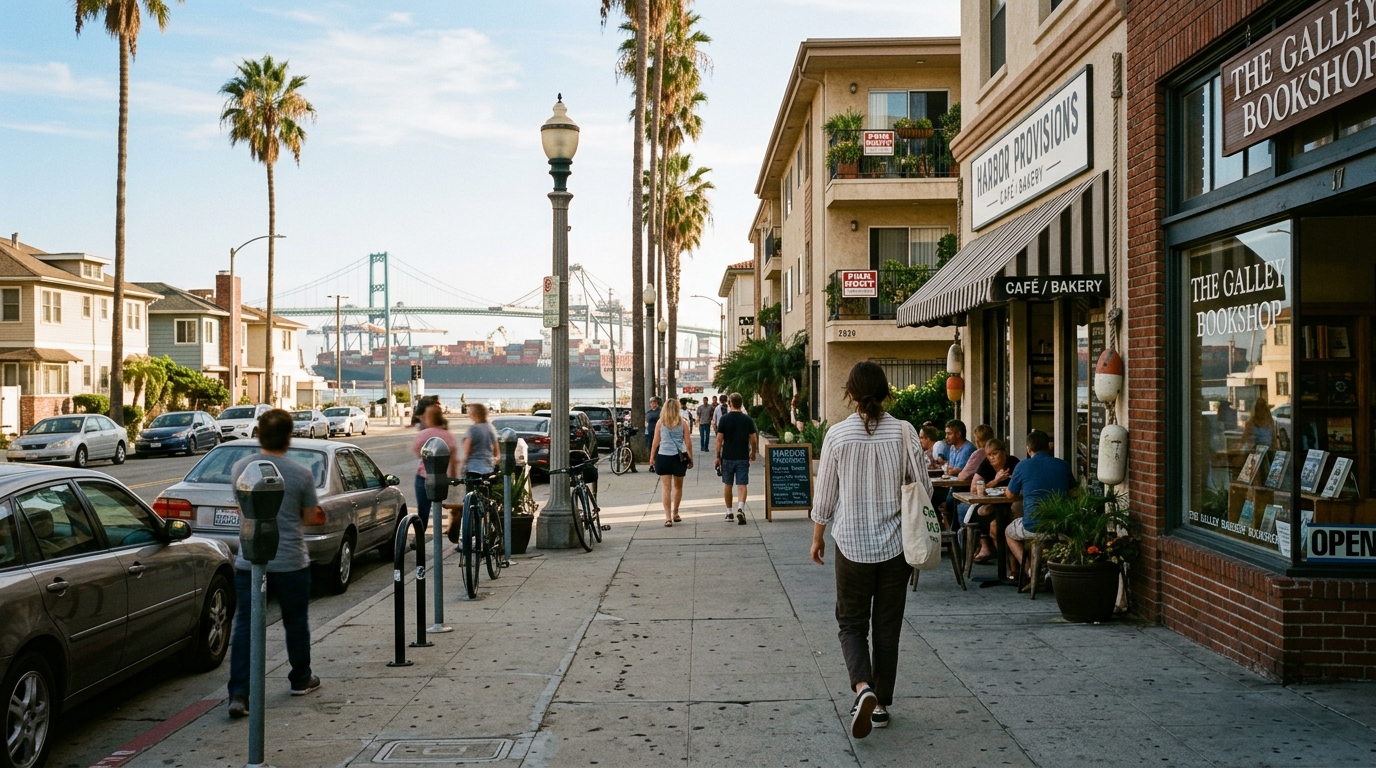
It has ocean air, harbor views, local history, independent businesses, and a downtown core that feels different from the rest of LA. It also has real trade-offs, including port activity, commute planning, and block-by-block neighborhood differences.
For renters comparing coastal living in Los Angeles, San Pedro can feel like a practical alternative to higher-priced beach areas. It offers access to the waterfront without the same Westside beach-city pace or pricing.
If you are hunting for a blend of coastal air and urban convenience, exploring elevated rental living in Downtown San Pedro can place you near restaurants, local culture, and the growing LA Waterfront.
Quick Answer: Is San Pedro a Good Place to Live?
Yes, San Pedro can be a good place to live if you want coastal character, a walkable downtown, local dining, waterfront access, and a more grounded Los Angeles neighborhood feel. It is especially appealing for renters who want ocean air and historic charm without the higher costs often found in Westside beach cities. However, living in San Pedro also means planning around the Port of Los Angeles, truck routes, freeway commutes, and parking differences by block. The best fit depends on your commute, lifestyle, budget, and preferred neighborhood pocket.
The Pros of Living in San Pedro, CA
San Pedro has a strong sense of place.
It is not a polished beach resort town, and that is part of its appeal. The neighborhood blends working-port history, coastal access, arts culture, and newer apartment development.
For many renters, the biggest pros are lifestyle, value, and local character.
Coastal Living With a More Practical Price Point
One of the main reasons renters consider San Pedro is the coastal discount.
Compared with many Westside beach-city markets, San Pedro often offers lower rental costs while still keeping renters close to the Pacific Ocean. Exact savings vary by unit type, building age, amenities, and current availability, but the area can be meaningfully less expensive than places like Santa Monica or Manhattan Beach.
That matters if you want ocean access without stretching your budget too far.
San Pedro may appeal to renters who want:
- Coastal air: The neighborhood sits along the LA Waterfront.
- More space for the price: Renters may find better value compared with some beach-city markets.
- Local character: The area feels rooted, lived-in, and less generic.
- Access to outdoor escapes: Parks, beaches, and bluff-top walks are nearby.
- Downtown convenience: Restaurants, coffee shops, and local businesses are close in the central core.
Cost of living in San Pedro still depends on lifestyle. Rent, parking, transportation, food, and entertainment can vary, so renters should compare full monthly costs, not just base rent.
A Walkable Historic Core
Downtown San Pedro has a compact street grid, older architecture, and a growing mix of apartments, restaurants, coffee spots, galleries, and local businesses.
This makes the downtown area especially attractive for renters who want to walk to dinner, coffee, or weekend plans. It is not the same as living in a dense central LA neighborhood, but it has a more walkable feel than many car-first parts of Los Angeles.
The downtown core can be useful if you want:
- Coffee within reach: Helpful for remote workers and weekend routines.
- Independent restaurants: The area has a local dining scene rather than only chain options.
- Arts and culture: Galleries, events, and neighborhood activity give the area personality.
- Apartment convenience: Newer buildings can place renters closer to daily needs.
- Waterfront access: The LA Waterfront is part of the larger local lifestyle.
Downtown features a rich collection of independent eateries and morning fuel stops. You can easily spend your weekends exploring local dining spots in Downtown San Pedro.
Waterfront Parks, Nature, and Views
San Pedro also has outdoor spaces that make it feel different from inland LA neighborhoods.
Point Fermin Park, Cabrillo Beach, White Point Nature Preserve, and bluff-top areas give residents places to walk, get fresh air, and enjoy coastal scenery. These spaces can make daily life feel more open, especially for renters who want nature nearby.
Local outdoor highlights may include:
- Point Fermin Park: Known for bluff-top views and open green space.
- Cabrillo Beach: A nearby beach option with coastal recreation.
- White Point Nature Preserve: Useful for walking and nature time.
- LA Waterfront: A growing area tied to dining, events, and harbor views.
- Harbor scenery: Maritime activity is part of the local identity.
For renters who value outdoor access, San Pedro’s coastal setting is a major advantage.
The Cons of Living in San Pedro, CA
San Pedro is appealing, but it is not perfect for every renter.
The neighborhood shares space with one of the busiest port areas in the country. It also sits at the southern end of Los Angeles, so commute planning matters.
A balanced San Pedro pros and cons review should be honest about the trade-offs.
Port Activity Is Part of Daily Life
The Port of Los Angeles is a major part of San Pedro’s identity.
For some renters, that maritime character is interesting and unique. For others, the industrial presence may feel busy or less scenic in certain corridors.
Depending on where you live or drive, you may notice:
- Shipping activity: Large vessels and port operations are part of the view in some areas.
- Truck routes: Certain roads may carry more freight traffic.
- Industrial edges: Some streets feel more commercial or industrial than residential.
- Noise differences: Noise can vary by block, traffic pattern, and building design.
- Visual contrast: Coastal views and port infrastructure can exist close together.
Gaffey Street and other major corridors can feel different from quieter residential streets or coastal areas. This is why renters should visit the exact block, not just research San Pedro in general.
Commutes Need Planning
San Pedro can work for commuters, but it depends on where you need to go.
Drivers often rely on the I-110 Harbor Freeway to reach Downtown LA and other parts of Los Angeles. Commute times can change a lot based on traffic, time of day, and destination.
Public transit exists, but there is no direct heavy-rail subway stop in the center of San Pedro. Many transit riders use bus connections, including Metro J Line service that connects San Pedro with Downtown LA and other points along the route.
For renters commuting regularly, it helps to test the trip before signing a lease.
Ask yourself:
- Where do you work most days?
- Do you drive, use transit, or work from home?
- How flexible is your schedule?
- Will traffic affect your daily routine?
- Is parking included or separate?
While driving is common, mapping out the available commute options from San Pedro to Los Angeles can help you plan your morning routine more effectively.
Parking Can Vary by Block
Parking in San Pedro depends heavily on the exact area.
Some newer apartment buildings may offer structured parking or assigned spaces. Older residential streets, especially near busier downtown or historic pockets, can have more competitive street parking.
Before moving, renters should ask:
- Is parking included?
- Is there an extra monthly fee?
- Is the space assigned or shared?
- How many vehicles are allowed per apartment?
- What is street parking like at night?
- Are there guest parking options?
Parking may not be a major issue for every renter, but it is something to confirm before applying.
Finding Your Zone: San Pedro Neighborhoods Explained
San Pedro changes block by block.
That is one of the most important things to understand before moving. The neighborhood is not one single lifestyle. Downtown San Pedro, Point Fermin, coastal areas, and northwest residential pockets can feel very different.
Because each pocket of the harbor area has a different personality, reviewing a detailed breakdown of San Pedro micro-neighborhoods can help you compare which area matches your lifestyle.
Central and Downtown San Pedro
Central and Downtown San Pedro are best for renters who want walkability, local restaurants, and an urban feel.
This area has a denser layout, historic buildings, local storefronts, and newer apartment options. It may be a good fit for renters who want to be close to coffee, dining, art walks, and the waterfront.
Downtown San Pedro may appeal to renters who want:
- Walkable routines
- Apartment amenities
- Local restaurants nearby
- A more urban setting
- Easy access to Downtown San Pedro events
This is also where renters looking for Downtown San Pedro apartments may focus their search.
Point Fermin and the Coastal Strip
Point Fermin and nearby coastal areas feel quieter and more residential.
This part of San Pedro is known for bluff-top scenery, ocean air, older homes, and access to coastal parks. It may fit renters who want a slower pace and more outdoor time.
This area may appeal to renters who want:
- Coastal walks
- A quieter residential feel
- Older neighborhood character
- Access to parks and ocean views
- Less of a downtown atmosphere
However, some coastal pockets may be less walkable for daily errands, so a car may still be useful.
Northwest San Pedro
Northwest San Pedro can feel more residential and hillside-oriented.
Some areas may offer harbor views, quieter streets, and easier access toward freeway routes. It can be practical for renters who want a more residential feel while still staying connected to the broader San Pedro area.
This area may appeal to renters who want:
- A more residential setting
- Access to major roads
- Quieter daily routines
- Hillside or harbor views, depending on location
- A little more separation from the downtown core
The right neighborhood depends on your commute, parking needs, budget, and how often you want to walk to local businesses.
What Daily Life Looks Like: Culture and Future Growth
Daily life in San Pedro feels local, coastal, and community-focused.
The neighborhood has deep maritime roots, a working-class history, and cultural influences from many communities, including long-standing Italian and Croatian ties. It also has an arts scene that continues to shape Downtown San Pedro.
Arts, Food, and Local Events
San Pedro is known for its creative and local energy.
The First Thursday Art Walk, local theaters, galleries, and neighborhood events help give Downtown San Pedro a cultural rhythm. It is a place where renters can find live performances, casual dining, local coffee, and community events without leaving the neighborhood.
Daily life may include:
- Morning coffee downtown
- Walking to a local restaurant
- Visiting galleries or local events
- Spending time near the waterfront
- Driving to nearby coastal parks
- Exploring local shops and small businesses
Between the historic architecture and the growing waterfront scene, there are many vibrant activities in Downtown San Pedro to add to your local routine.
The West Harbor Transformation
West Harbor is one of the biggest changes shaping San Pedro’s future.
The project is replacing the former Ports O’ Call Village area with a new waterfront destination planned around dining, shopping, open-air space, entertainment, and promenade-style walking areas. It is also expected to bring a major amphitheater and more reasons for residents and visitors to spend time along the water.
For renters, this matters because West Harbor may add:
- More dining options
- More waterfront activity
- New entertainment venues
- Outdoor walking areas
- More visitor traffic
- Long-term neighborhood attention
This growth can make San Pedro feel more connected to the larger LA coastal lifestyle. It may also bring more traffic and busier weekends near the waterfront, so renters should think about both the benefits and the added activity.
Modern Work-From-Home Lifestyle
San Pedro is also becoming more attractive for remote workers and hybrid professionals.
Newer apartment communities can offer amenities that support modern living, such as work-friendly lounges, rooftops, fitness spaces, and gathering areas. These features can help renters separate home life from work life without leaving the building.
For remote workers, San Pedro may offer:
- Coffee shops for a change of scenery
- Coastal walks after work
- Apartment amenities for daily convenience
- A quieter alternative to central LA
- More value compared with some beach-city markets
This makes San Pedro a strong option for renters who want coastal access and practical apartment living without needing to be in the middle of Los Angeles every day.
Final Verdict: Should You Move to San Pedro?
San Pedro can be a good place to live if you value coastal access, local character, and a neighborhood with real personality.
It may be especially appealing if you want a more affordable coastal alternative to many Westside beach areas, like being near the waterfront, and prefer independent restaurants and community events over a polished resort-style environment.
San Pedro may be a strong fit if you want:
- Coastal air without Westside pricing
- Downtown walkability
- Local restaurants and coffee shops
- Historic neighborhood character
- Outdoor access near parks and the waterfront
- A growing waterfront future
It may not be the best fit if you need a short commute to central LA every day, prefer rail-heavy transit access, or want to avoid all industrial port activity.
The best way to decide is to visit the exact area you are considering. Walk the block, test the commute, check parking, visit at different times of day, and compare how each micro-neighborhood feels.
For renters who want a central base near local dining, culture, and the LA Waterfront, Thrive on 5th offers a modern way to experience Downtown San Pedro’s coastal transformation.
Frequently Asked Questions About Living in San Pedro
Is San Pedro cheaper than Long Beach?
San Pedro is not always cheaper than Long Beach. Rent depends on the building, location, unit size, and current availability. San Pedro is often more useful to compare against Westside beach-city markets, where coastal rents can be much higher.
What is the West Harbor project, and when does it open?
West Harbor is a major waterfront development in San Pedro planned with restaurants, shopping, outdoor gathering areas, entertainment, and a waterfront promenade. Current LA Waterfront information says the project is expected to open in 2026, but renters should check official updates for current timing.
How long is the commute from San Pedro to Downtown LA?
The commute from San Pedro to Downtown LA depends on traffic, time of day, and route. Many drivers use the I-110 Harbor Freeway, while transit riders may use Metro J Line service. Renters should test the commute during their normal travel time before moving.
Is San Pedro CA a safe place to live?
Safety can vary by block, time of day, and personal comfort level. Renters should visit the exact area they are considering, check lighting and parking, review local public safety resources, and tour at different times before making a decision.
Does San Pedro have good walkability?
Downtown San Pedro has a more walkable grid with access to coffee shops, restaurants, arts venues, and local services. Hillside, coastal, and northern residential areas may be more car-dependent, so walkability depends on the exact address.
Source / Accuracy Note
This guide was created to help renters understand whether San Pedro is a good place to live using local context, renter-focused planning, neighborhood research, and relevant source references. Rental prices, availability, commute times, business hours, development timelines, parking conditions, lease terms, transportation routes, and local conditions can change, so readers should verify current details before making a decision.
The post Is San Pedro a Good Place to Live? The Real Pros, Cons, and Local Insights appeared first on Thrive on 5th - Brand New Blog.
]]>The post Commuting From San Pedro to Key Los Angeles Destinations appeared first on Thrive on 5th - Brand New Blog.
]]>
Commuting From San Pedro to Key Los Angeles Destinations
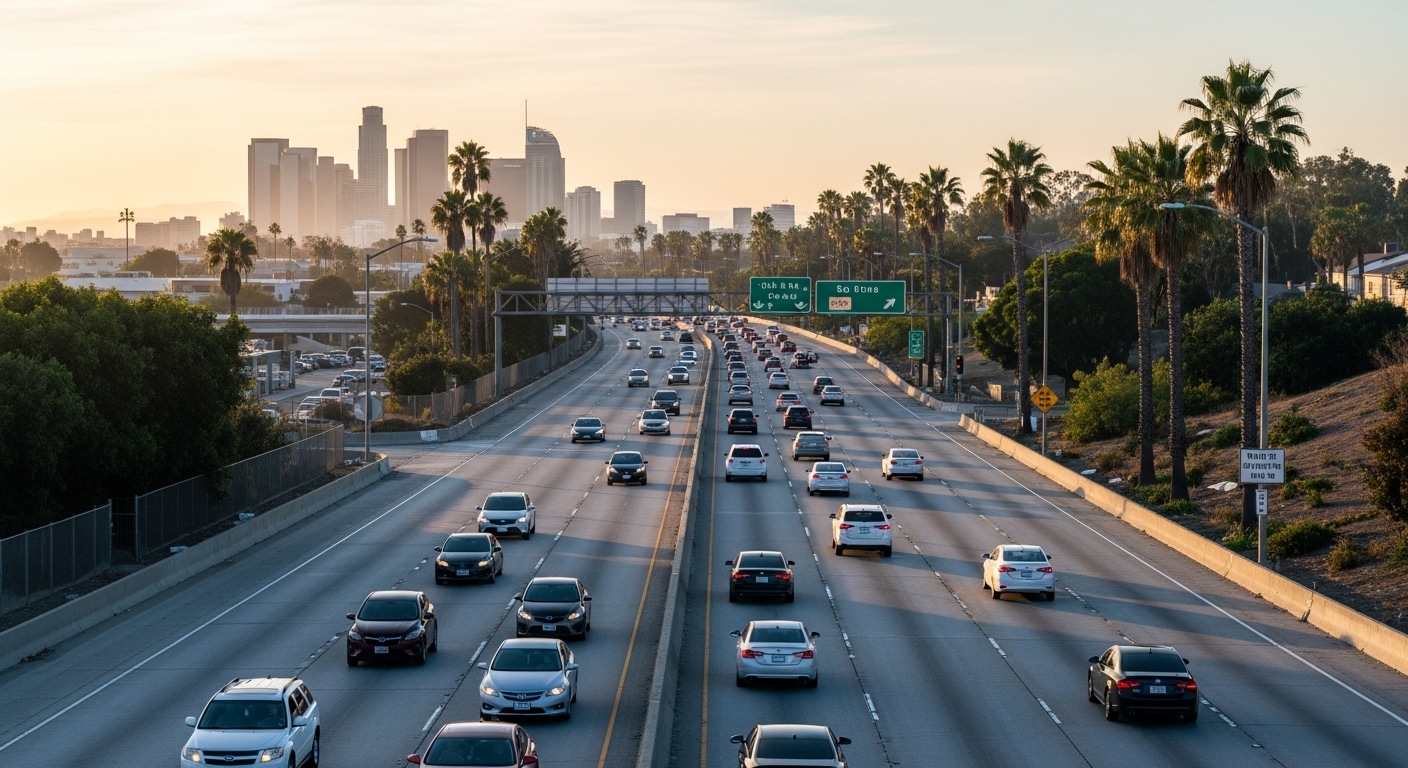
Commuting from San Pedro to Los Angeles is one of the biggest considerations for renters deciding where to live. While the area offers a quieter, coastal lifestyle, many people still work in nearby job centers like Downtown LA, Long Beach, and the South Bay.
The question often comes down to trade-offs: is the commute worth the lifestyle?
This guide breaks down realistic commute times, routes, and transportation options so you can decide whether living in San Pedro fits your daily routine and long-term priorities.
Why People Choose to Live in San Pedro and Commute
Many renters choose San Pedro because it offers something that’s harder to find in central Los Angeles—space, affordability, and a slower pace of living.
Instead of prioritizing proximity to work, more people are choosing lifestyle first.
- Coastal environment with ocean access and open spaces
- Generally more affordable than central Los Angeles neighborhoods
- A quieter, less congested daily experience
- Ideal for remote or hybrid workers
This shift is especially noticeable among renters who don’t need to commute every day. For them, living near the coast often outweighs the occasional longer drive.
If you're evaluating affordability alongside a commute, it helps to understand how expenses compare. You can explore this further in this breakdown of cost of living in San Pedro.
Commuting to Downtown Los Angeles
Commuting from San Pedro to Downtown Los Angeles typically takes 30 to 60 minutes by car, depending on traffic conditions and time of day.
The I-110 freeway provides a direct route, making the commute relatively straightforward even during busy hours.
What to Expect
- Distance: approximately 20–25 miles
- Primary route: I-110 freeway
- Morning rush hour: heavier congestion heading north
- Evening rush hour: slower traffic heading back south
Tips for Managing the Commute
- Travel before or after peak hours when possible
- Use navigation apps for real-time updates
- Consider carpooling options
- Look for housing near major access points
Where you live within San Pedro can make a noticeable difference. Choosing a location with easier freeway access can reduce daily stress, especially if you're commuting regularly. Many renters look into modern apartments in San Pedro near the waterfront for this reason, since central locations can improve both commute flow and lifestyle convenience.
Commuting to Long Beach and South Bay
Commuting to Long Beach or South Bay cities is generally faster and more manageable than traveling to Downtown Los Angeles.
For many renters, this is where San Pedro becomes especially practical.
- Long Beach: about 10–15 miles, typically 20–30 minutes
- Torrance: around 20–30 minutes depending on route
- Redondo Beach: approximately 30–35 minutes
Compared to LA routes, these commutes tend to feel less intense and more predictable.
This makes San Pedro a strong option if you work outside of central Los Angeles but still want access to coastal living.
Living closer to central areas can also help streamline daily movement. If you want to understand how location impacts lifestyle and convenience, you can read more about living in Downtown San Pedro what to expect.
Transportation Options From San Pedro
Driving is still the most common way to commute from San Pedro, but there are other options depending on your priorities.
Driving
- Fastest and most flexible option
- Direct access via I-110 and surrounding highways
Public Transit
- Bus routes connect San Pedro to nearby areas
- Longer travel times compared to driving
- Useful for cost savings or avoiding parking challenges
Other Options
- Ride-sharing services
- Carpooling with coworkers
- Hybrid schedules to reduce commute frequency
For renters who want to balance budget and convenience, housing choice also plays a role. Exploring modern studio apartments in San Pedro can be a practical option for those prioritizing affordability while staying close to key routes.
Is the Commute Worth It?
For many renters, the answer is yes—but it depends on your priorities.
Living in San Pedro isn’t just about where you work. It’s about how you want your day-to-day life to feel.
Some renters are willing to trade a longer commute for:
- Access to coastal views and outdoor spaces
- A quieter, less crowded environment
- More affordable housing options
- A stronger sense of separation from work and city stress
The rise of hybrid work has also changed how people think about commuting. If you only travel a few days a week, the distance becomes more manageable.
At the same time, daily commuters may need to be more strategic about location, schedule, and expectations.
Finding the Right Balance Between Location and Commute
Choosing where to live isn’t just about distance—it’s about balance.
San Pedro offers a unique option for renters who want coastal living while staying connected to major job centers across Los Angeles.
The key is finding a location within San Pedro that supports both your commute and your lifestyle.
- Look for areas with easier freeway access
- Consider how often you need to commute each week
- Factor in how you want your environment to feel outside of work
If you have questions or want help narrowing down your options, you can also reach out to our leasing team.
Frequently Asked Questions About Commuting From San Pedro
How long does it take to commute from San Pedro to Downtown Los Angeles?
Most commutes take between 30 to 60 minutes, depending on traffic and time of day.
Is San Pedro a good place to live if you work in Los Angeles?
Yes. Many renters choose San Pedro for its affordability and coastal lifestyle, even if it means a longer commute.
What are the main transportation options from San Pedro?
Driving is the most common, but buses, carpooling, and ride-sharing are also available.
Is commuting from San Pedro worth it?
It depends on your priorities. Many people accept the commute in exchange for better living conditions and a more relaxed environment.
How far is San Pedro from major job hubs in Los Angeles?
Downtown LA is about 20–25 miles away, while Long Beach and South Bay cities are significantly closer and easier to reach.
The post Commuting From San Pedro to Key Los Angeles Destinations appeared first on Thrive on 5th - Brand New Blog.
]]>The post Top Things To Do in Downtown San Pedro appeared first on Thrive on 5th - Brand New Blog.
]]>
If you're looking for things to do in downtown San Pedro, you’ll find a mix of coastal views, historic landmarks, local attractions, and everyday experiences that make the area both vibrant and easy to explore. Whether you're visiting for the day or getting to know the neighborhood, downtown San Pedro offers a variety of activities that reflect its unique character.
This guide highlights what to do in San Pedro, from waterfront walks and cultural sites to dining, parks, and nearby destinations.
Why Downtown San Pedro Is Worth Exploring
Downtown San Pedro is a vibrant coastal destination known for its mix of historic charm and modern lifestyle. Located along the Los Angeles Harbor, the area offers a balance of walkability, cultural attractions, and scenic views that make it appealing for both visitors and locals.
Historic downtown San Pedro features a blend of older architecture, local businesses, and evolving spaces that continue to shape the neighborhood. Its coastal setting adds to the experience, with easy access to the ocean, waterfront, and outdoor areas that define the lifestyle here.
Explore the San Pedro Waterfront
The San Pedro waterfront is one of the main highlights of the area, offering a place to walk, relax, and take in views of the ocean and Los Angeles Harbor. The promenade stretches along the waterfront, creating a scenic path for walking, jogging, or simply enjoying the view. You’ll often see boats in the marina, cruise ships in the distance, and activity around the pier.
This area also hosts events throughout the year, adding to its role as a central gathering place in San Pedro. Whether you're visiting during the day or at sunset, the waterfront provides a relaxing and open environment.
Visit Local Attractions and Historic Landmarks
Downtown San Pedro is home to several well-known attractions that reflect the area’s history and culture.
USS Iowa Battleship
The USS Iowa is a historic battleship turned museum where visitors can explore exhibits, artifacts, and naval history. It offers a unique look into the past and is one of the most recognized landmarks in San Pedro.
Los Angeles Maritime Museum
Located near the waterfront, the Los Angeles Maritime Museum showcases the history of the harbor and maritime life through exhibits and interactive displays.
Warner Grand Theatre
This historic venue hosts performances, events, and shows throughout the year. Its classic design and ongoing use make it a key part of the downtown San Pedro cultural scene.
Cabrillo Marine Aquarium
The Cabrillo Marine Aquarium focuses on local marine life and educational exhibits. It is a great destination for those interested in ocean ecosystems and hands-on learning experiences. These attractions highlight the historic and educational value of San Pedro, making it more than just a coastal destination.
Relax at Parks and Coastal Spots
San Pedro offers several parks and coastal areas where you can unwind and enjoy the natural beauty of the region.
Cabrillo Beach
Cabrillo Beach is one of the most popular beach locations in San Pedro. It offers space for walking, relaxing, and enjoying views of the Pacific Ocean.
Point Fermin Park
Point Fermin Park is known for its scenic cliffs, lighthouse, and open grassy areas. It is a great place for picnics, walking trails, and taking in ocean views.
Korean Bell of Friendship
This area features open space, cultural significance, and panoramic views of the ocean. It is a peaceful location for walks and quiet moments. These parks provide a balance of recreation and relaxation, making them essential stops when exploring downtown San Pedro.
Best Restaurants, Cafés, and Local Spots
Downtown San Pedro has a growing food scene that includes a mix of restaurants, cafés, and local spots. Whether you are looking for casual dining or something more specific, there are plenty of options. You will find restaurants offering a variety of cuisines, including Mexican dishes, seafood, and everyday favorites. Coffee shops and smaller cafés also provide convenient places to take a break or meet with friends.
The combination of shops and restaurants throughout downtown makes it easy to turn a short visit into a full day of exploring.
Arts, Culture, and Local Events
San Pedro continues to develop its identity as a creative and cultural hub. Downtown areas often feature art galleries, local showcases, and performances that highlight the community’s talent. Events throughout the year bring together residents and visitors, offering opportunities to experience arts and crafts, live performances, and seasonal activities.
This evolving cultural scene adds another layer to what makes downtown San Pedro a dynamic place to explore.
Day Trips and Nearby Destinations
San Pedro’s location also makes it a great starting point for nearby trips and coastal destinations.
Catalina Island
Catalina Island is a popular day trip destination accessible by ferry. It offers beaches, outdoor activities, and a change of pace from the mainland.
Palos Verdes Peninsula
The Palos Verdes Peninsula provides scenic drives, coastal views, and hiking opportunities. It is known for its natural beauty and quiet atmosphere.
Coastal Drives
Driving along the Pacific coastline offers a relaxing way to explore nearby areas, with ocean views and stops along the way. These nearby destinations expand your options beyond downtown San Pedro while still staying close to home.
Living Near Downtown San Pedro
Living near downtown San Pedro means having access to all of these attractions and experiences on a daily basis. The convenience of being close to the waterfront, restaurants, and cultural spaces can significantly enhance your lifestyle. You can learn more about what daily life looks like by exploring this guide on living in Downtown San Pedro.
In addition to lifestyle benefits, understanding the financial side is also important. This guide on cost of living in San Pedro can help you plan your move more effectively.
Conclusion: Experience Downtown San Pedro for Yourself
Downtown San Pedro offers a mix of waterfront activities, historic attractions, parks, dining, and cultural experiences that make it a well-rounded destination. Whether you are exploring for the first time or considering a move, the area provides both variety and convenience.
If you're exploring everything downtown has to offer and considering making it home, you can discover modern apartments in San Pedro near the waterfront or explore available floor plans at Thrive on 5th.
The post Top Things To Do in Downtown San Pedro appeared first on Thrive on 5th - Brand New Blog.
]]>The post Living With Pets in San Pedro Apartments: Walkable,Pet-Inclusive Coastal Living appeared first on Thrive on 5th - Brand New Blog.
]]>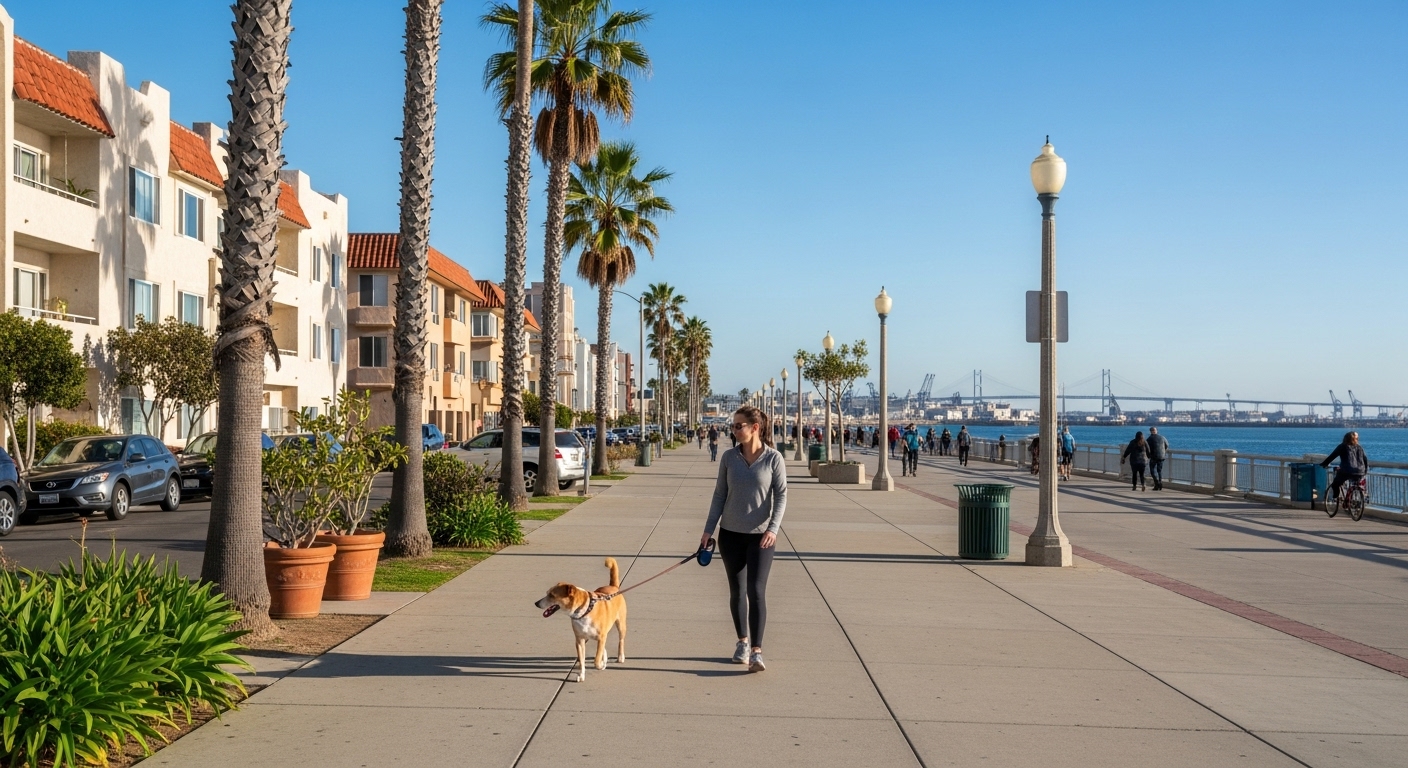
Living with pets in San Pedro apartments is less about whether animals are allowed and more about how everyday routines actually work. This guide explains what it’s really like living with pets in San Pedro apartments for renters deciding if coastal living fits their lifestyle.San Pedro appeals to modern pet parents because it combines coastal living with walkable streets, parks,and easy access to daily needs. Active professionals, couples with dogs or cats, and renters who treat pets as family are often asking one core question:will this neighborhood support both my life and my pet’s well-being? Rather than focusing on basic pet-friendly labels, this article looks at San Pedro as a walkable, pet-inclusive coastal pocket and what that means in practice.
Key Points
- San Pedro supports a walkable coastal lifestyle for renters with pets
- Pet-inclusive apartments go beyond simply allowing animals
- Walkability reduces daily friction for pets and owners
- Clear pet policies help renters avoid surprise costs
- Amenities and location together shape the quality of life.
The New Standard for Living With Pets in San Pedro
Pet-friendly housing generally means pets are permitted under certain rules. Pet-inclusive living goes further by designing both the building and its surroundings around daily pet routines. In San Pedro, this difference shows up in how easily residents can integrate walks, exercise, and outdoor time into normal schedules. Walkable coastal streets make routine outings easier and reduce reliance on cars, which matters for both pets and owners.
Changes tied to the West Harbor redevelopment and the broader LA Waterfront have also shifted renter expectations. Many people moving to San Pedro want a lifestyle that feels active and connected rather than car-dependent. Compared to many inland Los Angeles neighborhoods, San Pedro offers sidewalks, parks, and access to the water that naturally support daily pet routines. For renters curious about how this translates to a real community, learning more about pet-friendly living at Thrive on 5th provides helpful context early in the decision process.
Essential Amenities for Modern Pet Parents
Amenities play a major role in how manageable pet care feels day to day. On-site features reduce friction by cutting down on extra trips, appointments, or cleanup challenges. In a coastal environment, where sand and outdoor activity are part of daily life, amenity quality matters even more.
Key amenities that genuinely support renters with pets include:
- On-site dog parks that allow quick, consistent exercise
- Pet wash stations or pet spas for easy post-walk cleanup
- Durable flooring and layouts designed to handle pet activity
- Building designs that support cleanliness and airflow
Evaluating pet-friendly apartment amenities helps renters determine whether a community supports long-term routines or simply meets minimum pet requirements.
On-Site Pet Spas and Dog Parks
- On-site dog parks make daily exercise easier, especially before work or in the evening.
- Pet wash stations help manage sand and salt common in coastal environments.
- On-site amenities reduce the need for off-site grooming or crowded public spaces.
- Time savings support more consistent care routines.
Understanding Pet Policies Before You Rent
- Monthly pet rent is common and usually charged per pet.
- One-time pet deposits or non-refundable fees may apply.
- Weight limits around 50 lbs are typical in many buildings.
- Breed restrictions vary and should always be reviewed carefully.
Many renters rely on pet policies to understand costs, limits, and expectations before applying.
Exploring San Pedro With Your Pet
San Pedro supports everyday pet routines through walkable streets and nearby outdoor spaces. Daily walking routes often matter more than destination dog parks because they fit naturally into busy schedules. Coastal access also encourages longer walks without requiring a car.
Common options pet owners use include:
- Point Fermin Park for open space and ocean views
- Downtown San Pedro for walkable errands and neighborhood routes
- Waterfront promenades that allow consistent walking loops
When layout matters as much as location, exploring pet-friendly floor plan options helps renters visualize how daily life with a pet fits inside the home.
Why Walkability Matters More Than “Pet-Friendly” Labels
Walkability shapes how pets and owners experience everyday life. A neighborhood that functions like a 15-minute pet city allows exercise, errands, and outdoor time to happen in one loop. Fewer car trips reduce stress for pets and save time for owners.
When sidewalks, parks, and daily needs are close together, routines become easier to maintain. This type of urban design supports healthier habits and long-term satisfaction. For renters drawn to this lifestyle, walkable San Pedro apartment living reinforces why location matters more than marketing labels.
Are Pet-Friendly Apartments in San Pedro Too Restrictive?
Common renter concerns include:
- Breed restrictions
- Weight limits
- Fees adding up over time
These policies exist to manage shared spaces and protect property, especially in higher-density buildings. Older apartments often have stricter rules due to layout limitations. Newer communities tend to offer clearer guidelines and layouts built with pets in mind. Understanding these differences helps renters ask the right questions early and avoid frustration later.
Comparison Table
| Factor | Walkable Coastal Apartment | Car-Dependent Inland Apartment |
|---|---|---|
| Time outdoors | Frequent and flexible | Limited and scheduled |
| Daily routine ease | Built into daily life | Requires planning |
| Pet exercise access | Sidewalks and nearby parks | Driving required |
| Lifestyle fit | Active and predictable | More effort-driven |
FAQ Section
Are apartments in San Pedro pet-friendly?
Many apartments allow pets, though policies vary. Newer communities are more likely to offer pet-inclusive amenities.
How much is pet rent in San Pedro CA?
Pet rent is typically charged monthly per pet, with amounts depending on the building and pet size.
Do San Pedro apartments have breed restrictions?
Some communities apply breed restrictions or weight limits around 50 lbs. Always review the pet policy before applying.
What are the best dog parks near San Pedro apartments?
Point Fermin Park and nearby coastal walking areas are popular options for daily outings.
Is San Pedro walkable for dog owners?
Yes, many parts of San Pedro support regular walking without relying on a car.
Are there pet amenities in newer San Pedro rentals?
Newer buildings are more likely to include on-site dog parks, pet spas, or wash stations.
Discover a Lifestyle Built for Pets and People
Finding the right apartment with a pet comes down to how well everyday life flows. If walkability, coastal access, and thoughtful pet amenities matter to you, taking the next step can help clarify the fit. You can start by exploring pet-friendly amenities designed to support both pets and the people who love them.
The post Living With Pets in San Pedro Apartments: Walkable,Pet-Inclusive Coastal Living appeared first on Thrive on 5th - Brand New Blog.
]]>The post Cost of Living in San Pedro, CA: Is Coastal Living Finally Affordable? appeared first on Thrive on 5th - Brand New Blog.
]]>
Living in California has become stressful for many renters. Prices keep climbing, and coastal neighborhoods often feel impossible to afford. If you want ocean air, walkable streets, and access to Los Angeles without Westside pricing, you are not alone.
This guide breaks down the cost of living in San Pedro CA in clear, real terms. We look at rent, salaries, utilities, and lifestyle costs. Most importantly, we explain why San Pedro represents a rare “Value Coastal” opportunity as waterfront investment reshapes the area. This is not about cutting corners. It is about choosing the right coastal neighborhood at the right time.
Key Points
- San Pedro costs less than most coastal Los Angeles neighborhoods.
- -Average one-bedroom rent is about $1,903
- -Coastal living here is 30–40% cheaper than Westside beach cities.
- -West Harbor is expected to push prices higher over time.
- -Transit and walkability help reduce transportation costs.
Is San Pedro Expensive? A Reality Check
San Pedro is more affordable than most coastal LA areas, with overall living costs about 13% lower than the California average and significantly cheaper than central Los Angeles or South Bay cities. Renters get coastal access at a meaningful discount compared to places like Santa Monica.
Despite being part of Los Angeles, San Pedro behaves more like a value coastal market than a luxury one. Cost-of-living data consistently shows San Pedro tracking below both Los Angeles and California averages for daily expenses and housing (Source: Numbeo).
What drives this difference:
- Cost of Living Index: San Pedro scores lower than Santa Monica, Manhattan Beach, and much of the South Bay
- The coastal discount: One-bedroom rents are often 30–40% lower than comparable Westside coastal units
- Value Coastal positioning: You get Pacific views, harbor access, and walkable neighborhoods without paying Westside premiums.
This affordability gap exists because San Pedro was long seen as “just a port town.” That perception is changing quickly, but prices have not fully caught up yet.
Average Rent and Housing Trends in San Pedro
The average rent in San Pedro CA is approximately $1,903 for a one-bedroom, with lower prices in older buildings and higher rents in newer, energy-efficient communities offering modern features.
Housing defines the San Pedro market. Renters can choose between older stock and newer developments designed for modern living.
Current rent tiers include:
- Older one-bedroom apartments: Lower rent, fewer upgrades, and often higher utility bills
- Newer luxury and smart units: Higher rent, but offset by efficient appliances and better layouts.
- Studios and shared housing: Often priced below the city average.
Most rentals are located throughout San Pedro, including coastal streets, hillside neighborhoods, and revitalizing mixed-use areas. The neighborhood feel varies, with areas closer to the waterfront and Downtown San Pedro seeing increased interest.
One major factor shaping rent trends is timing. The West Harbor San Pedro project is expected to increase demand once fully active. Locking in a lease before that demand surge may provide long-term value. For transparent pricing comparisons between modern units and area averages, renters can review current floor plan availability at Thrive on 5th.
What Salary Do You Need to Live Comfortably in San Pedro?
A renter needs an annual salary of about $76,116 to live comfortably in San Pedro, assuming rent near the city average and following the standard 30% housing rule.
This estimate is based on basic financial planning. Spending no more than 30% of gross income on housing keeps monthly costs manageable.
Why the math works in San Pedro:
- The average annual salary in the area is around $77,040 (Source: BEA).
- Housing costs align closely with local income levels.
- The Port of Los Angeles provides stable employment across logistics, operations, and professional roles.
San Pedro also benefits renters who work outside the neighborhood. Transit access and freeway connections make commuting realistic without Westside rent levels. Renters can explore employer access and commute options by viewing the local area.
Beyond Rent: Utilities, Commuting, and Hidden Savings
Utilities in San Pedro average about 7.3% higher than the national norm, but renters can offset these costs through energy-efficient apartments, walkable neighborhoods, and reliable public transit options.
Utilities surprise many first-time renters. Electricity and water costs are higher than average in coastal California, but San Pedro offers ways to balance the budget.
Practical savings strategies include:
- Metro J Line: Direct bus access to Downtown LA reduces gas, parking, and vehicle costs (Source: LA Metro).
- Energy-efficient apartments: Newer buildings with modern appliances help lower monthly utility usage.
- Walkability: Daily errands near Gaffey Street and downtown San Pedro often require no car.
Drivers also benefit from easy access to the I-110 Harbor Freeway, while transit users gain predictable commute times. Renters interested in how modern apartments reduce utility costs can review energy-efficient features and smart-home amenities of apartment rentals.
The "Port Town" Myth: Addressing Concerns About Connectivity
San Pedro is no longer isolated or purely industrial. Major investment, cultural growth, and the $150M West Harbor redevelopment are transforming it into a connected coastal destination.
Some renters worry San Pedro feels far removed from Los Angeles culture. That view is outdated.
What is changing:
- The West Harbor redevelopment is bringing dining, retail, and entertainment to the LA Waterfront (Source: LA Waterfront).
- Events like the monthly 1st Thursday ArtWalk support a growing arts scene.
- Improved transit links San Pedro to Downtown LA and beyond.
San Pedro remains calmer than central LA, but that balance appeals to renters who want space, ocean air, and community without constant congestion.
Coastal Value Comparison
San Pedro offers strong coastal value by combining lower rent with solid walkability compared to Santa Monica and Long Beach.
| City | Avg. 1-Bed Rent | Walk Score |
|---|---|---|
| San Pedro | ~$1,903 | Mid-70s |
| Santa Monica | ~$3,100 | High-80s |
| Long Beach | ~$2,400 | High-70s |
(Source: Zillow Research; Apartments.com)
This comparison highlights the “coastal arbitrage.” Renters save thousands per year while still enjoying coastal access.
FAQ Section
Is San Pedro safer or cheaper than Long Beach?
San Pedro is generally cheaper than Long Beach for one-bedroom rentals (Source: Zillow Research). Safety varies by neighborhood, but many renters find San Pedro quieter and more residential.
What is the West Harbor project and how does it affect me?
West Harbor is a major waterfront redevelopment bringing dining, retail, and entertainment to San Pedro. It is expected to increase housing demand and neighborhood activity (Source: LA Waterfront).
How far is the commute to Downtown LA via transit?
Using the Metro J Line, commuters typically reach Downtown LA in 45–60 minutes depending on traffic and time of day (Source: LA Metro).
Are there luxury apartments with smart-home features available?
Yes. Newer developments in San Pedro offer smart thermostats, energy-efficient appliances, and modern layouts.
What are the pros and cons of living in the 90731 area?
Pros include coastal access, lower rent, and growing cultural amenities. Cons may include longer commutes for some jobs and fewer nightlife options than central LA.
Conclusion: Seeing the Value for Yourself
Data explains why San Pedro makes sense financially, but lifestyle matters just as much. Walking the waterfront, watching West Harbor take shape, and experiencing the neighborhood’s slower coastal pace offer clarity no spreadsheet can provide. For renters seeking coastal living without Westside pricing, San Pedro stands out in 2026. If you want to explore how modern apartment living fits into this evolving neighborhood, you can learn more about luxury apartments in San Pedro at Thrive on 5th.
The post Cost of Living in San Pedro, CA: Is Coastal Living Finally Affordable? appeared first on Thrive on 5th - Brand New Blog.
]]>